30 Aug 2024 Written By Dr. Joshua Ebenezer
India’s New Rules for Geographical Indications: Faster Dispute Resolution, DigitalFiling, and Clear Appeal Process
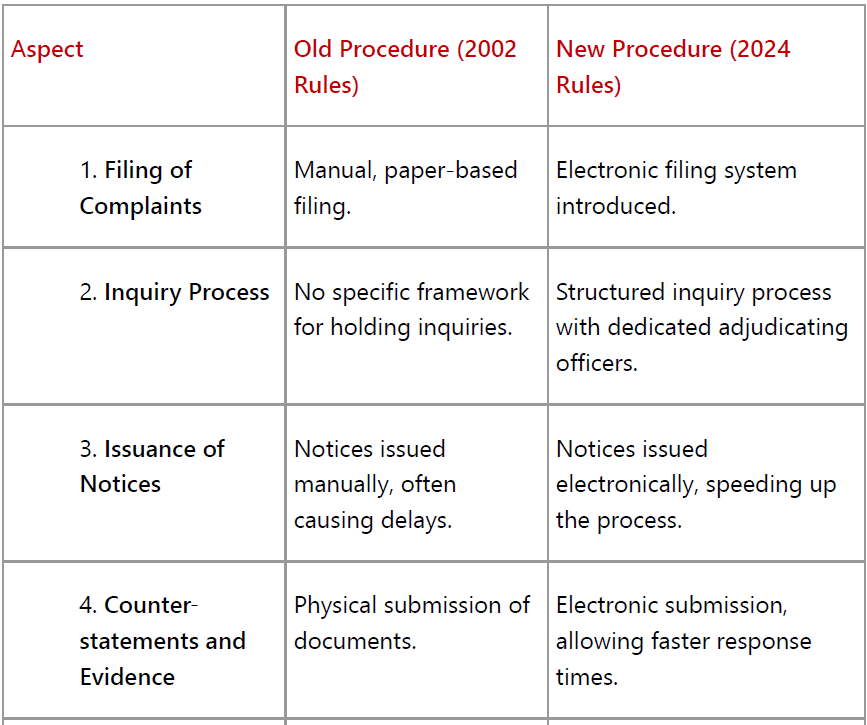
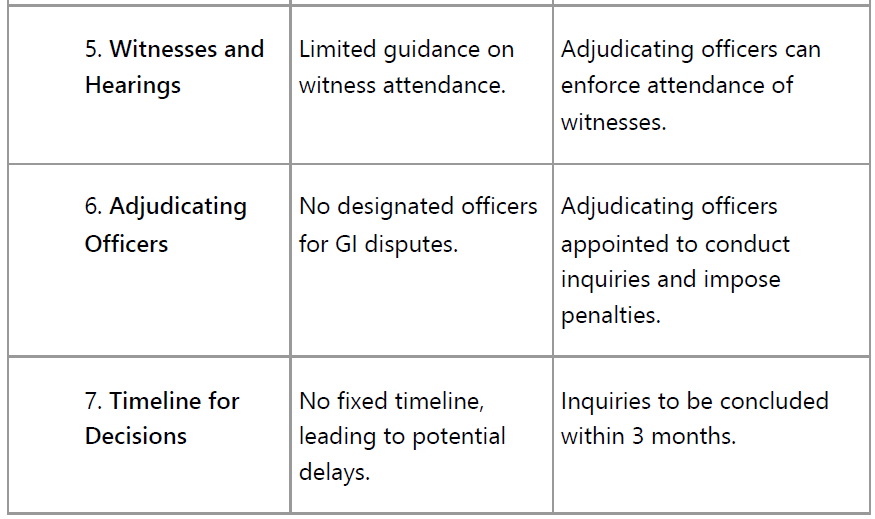
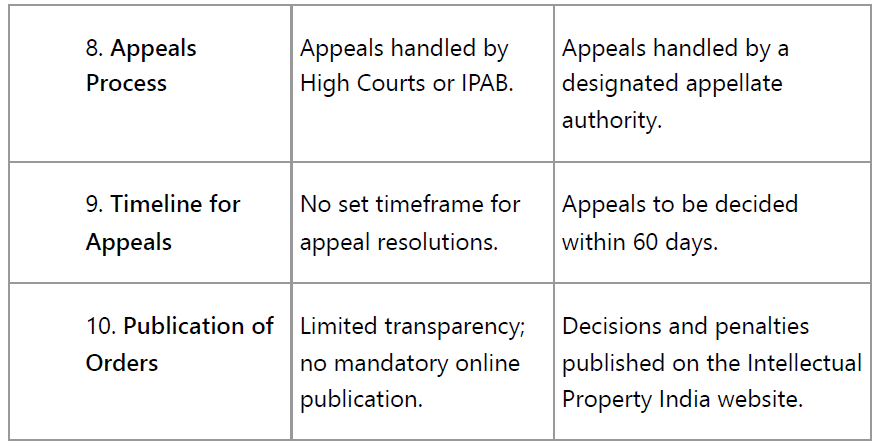
The Geographical Indications of Goods (Holding Inquiry and Appeal) Rules, 2024,introduced by India’s Ministry of Commerce and Industry, enhance the protection andenforcement of Geographical Indications (GIs). These rules digitize the filing process,streamline inquiries with a three-month resolution timeline, and establish a clearappeal mechanism resolved within 60 days. The framework includes penalties forviolations and mandates the publication of decisions for transparency. These changesbenefit businesses and artisans by safeguarding unique regional products, ensuringquicker dispute resolutions, and strengthening India’s position in global tradeagreements by protecting cultural heritage and economic interests. – (AI Summary)
The significance of Geographical Indications (GIs) in international trade has grown exponentially in recent years. GIs not only protect the unique characteristics of region-specific goods but also play a pivotal role in preserving the heritage, reputation, and economic value of these products. From
Darjeeling Tea to Kanjeevaram Silk, GIs are a beacon of quality and authenticity.
With the introduction of the Geographical Indications of Goods (Holding Inquiry and Appeal) Rules, 2024
, the landscape of GI protection and enforcement in India has been drastically improved. These new rules, notified on August 16, 2024, by the Ministry of Commerce and Industry, are a game-changer for businesses, artisans, and traders who rely on the integrity of GIs to distinguish their products in a globalized market.
What Has Changed?
The 2024 Rules offer a modernized, efficient framework that addresses several key pain points in the previous system. Here’s how:
- Digital Transformation in Filing:
Filing complaints related to GI disputes has gone digital. This shift to electronic filing not only reduces paperwork but also speeds up the process, ensuring that issues are addressed more promptly.
Why it matters: Time is of the essence in the competitive world of trade. With online filing, producers can act quickly when they detect misuse or infringement of their GI rights. - Streamlined Inquiry Process:
The new rules introduce an inquiry process that is both structured and time-bound. Adjudicating officers are responsible for investigating complaints and making decisions within three months.
Why it matters: Timely resolution of disputes is crucial for maintaining market trust. Producers of authentic goods can protect their reputation and avoid prolonged uncertainty in trade markets. - Clear Appeal Mechanism: Appeals are now handled by a designated appellate authority, and the timeline for resolution is capped at 60 days. This brings much-needed clarity and efficiency to the appeal process. Why it matters: Traders and businesses need clarity, especially when facing legal disputes that could impact their market presence. The quick resolution of appeals reduces the risk of prolonged damage to brand reputation.
- Penalties for Violations: If a violation of GI rights is found during the inquiry, penalties can be imposed by the adjudicating officer. Why it matters: The ability to enforce penalties creates a strong deterrent against misuse of GIs, ensuring that offenders are held accountable.
- Transparency Through Publication: A major highlight of the new rules is the requirement that decisions and penalties be published on the Intellectual Property India website. Why it matters: Transparency is key in building trust in the enforcement of GIs. Public access to decisions ensures accountability and sets clear precedents for future cases.
How Will These Rules Benefit the Trade Community?
For businesses and artisans reliant on the uniqueness of their goods, these rules are a welcome development. Artisan communities from regions such as Kanchipuram, Darjeeling, and Nagpur can now feel more secure that their traditional products are better protected from imitation or misuse. Additionally, Exporters of GI-tagged goods will benefit from clearer, faster dispute resolutions, allowing them to maintain their competitive edge in the global market.
A Global Impact
The Geographical Indications of Goods (Holding Inquiry and Appeal) Rules,2024
position India as a leader in protecting GIs on a global scale. With the growing importance of GIs in international trade agreements, this updated framework reinforces India’s commitment to safeguarding its rich cultural heritage and boosting the economic prospects of local producers.
Case in Point: A New Dawn for GI Enforcement
The landmark case TEA BOARD, INDIA VERSUS. ITC LIMITED – 2011 (4) TMI 1554- CALCUTTA HIGH COURThighlights the significance of GI protection. While thecourt ruled in favour of ITC for using “Darjeeling Lounge” as a regional reference,the case underscored the importance of clear rules for GI disputes. The new 2024 rules would address such cases more swiftly, giving producers greater confidencein their rights.
The Road Ahead
These rules mark a significant step toward protecting regional products and creating fair competition
in both domestic and international markets. Businesses should stay informed about the opportunities these changes present and leverage the updated system to ensure their GIs are effectively protected.
By embracing these new rules, producers, traders, and artisans can not only secure their unique market position but also contribute to the growing global recognition of India’s geographical indications.
Do share your feedback to
joshua@nucov-facilitrade.com
By Dr. Joshua Ebenezer, Principal Consultant of NuCov Facili Trade